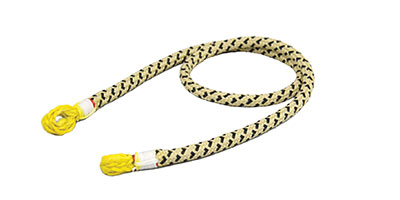
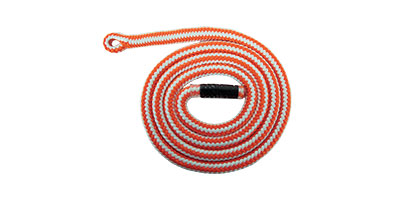
These two climbing methods each have their own advantages and disadvantages for tree work.
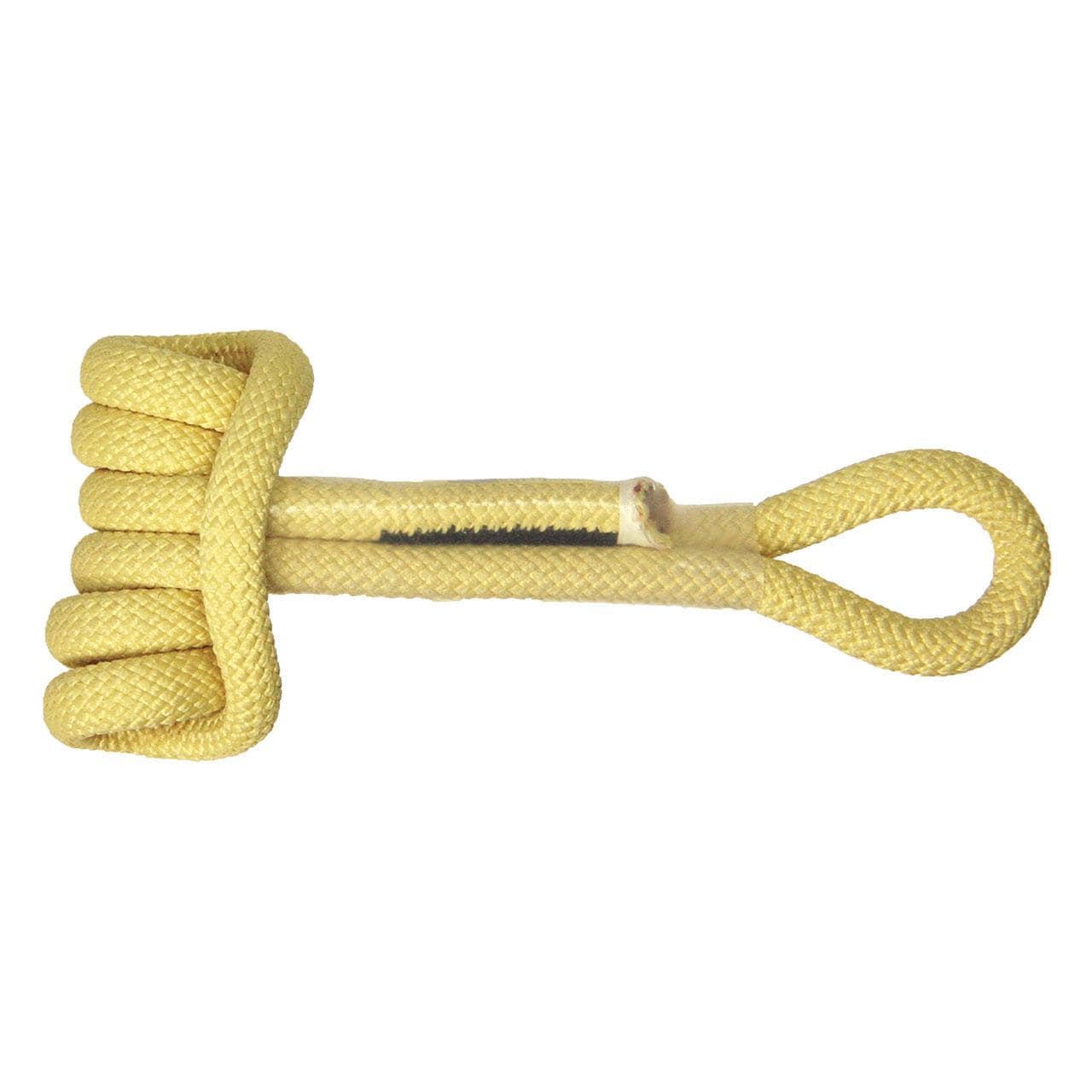
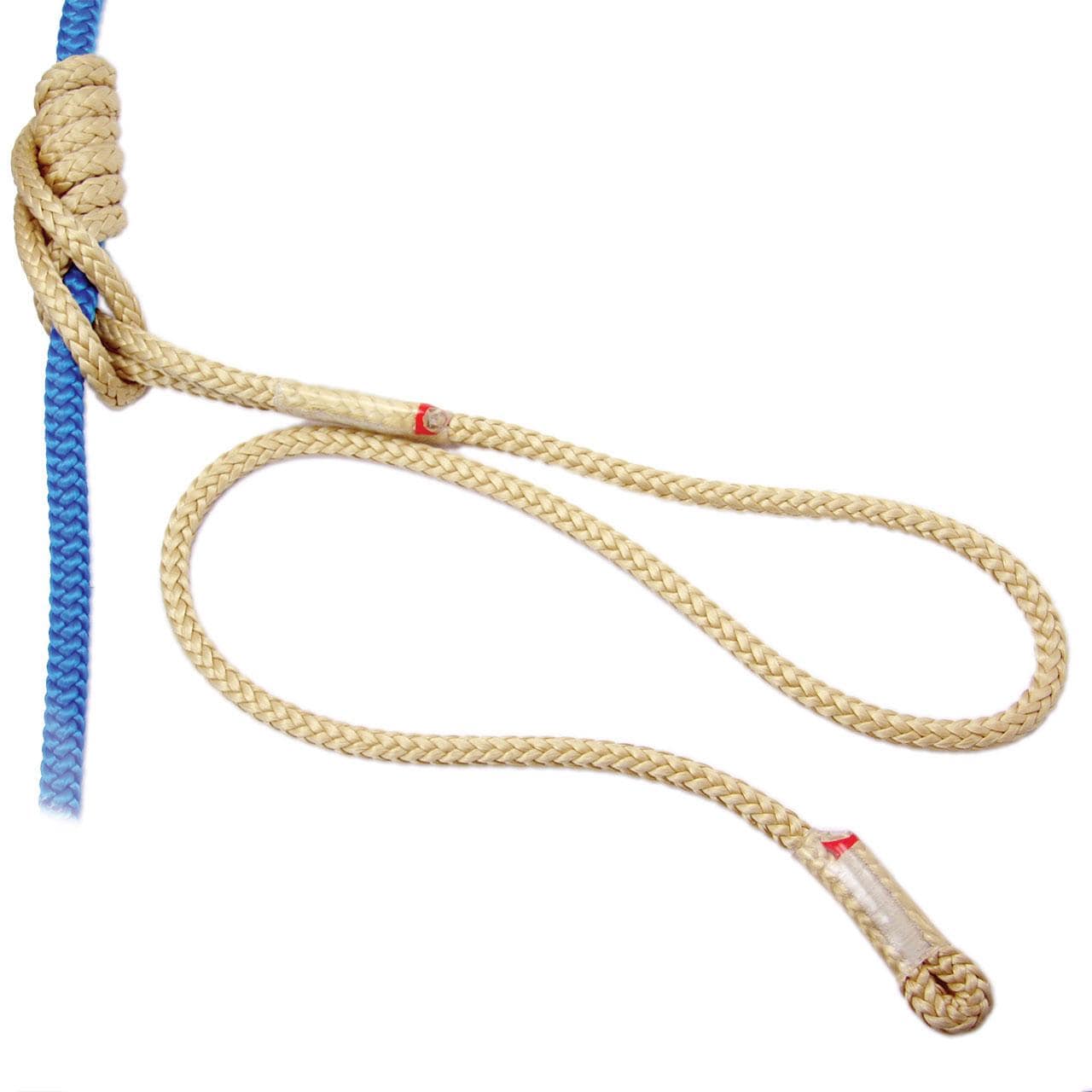
The fixed tail climbing method describes a system in which the climbing line is tied to the saddle (either directly with a knot or indirectly with a carabiner or rope clip) with a short tail left beyond the termination. The length of the tail depends on the height and reach of the climber, but is usually about 4 feet. This tail is then used to tie the friction hitch (usually either a Tautline or a Blake's hitch) back onto the climbing line.
The fixed tail climbing method employs less gear than the split tail method, and is therefore less expensive. If the rope is tied directly to the saddle, then a climbing line is the only piece of equipment necessary for this system.
The fixed tail climbing method is harder on the climbing line than the split tail method, and will require that the climbing line is shortened periodically as the end wears out. This is because the end of the line itself is used to tie the friction hitch, instead of another piece of rope as in the split tail method. The fixed tail method is also inefficient when ascending on the climbing line because of the difficulty of re-routing the line around branches that are inside the loop. As the climber ascends, he or she will be stopped by the inevitable branches that protrude from the trunk through the adjustable loop formed by the climbing line. To get past these the climber must first untie the friction hitch, then disconnect the climbing line from the saddle, re-route the climbing line to the other side of the branch, and re-tie the friction hitch.
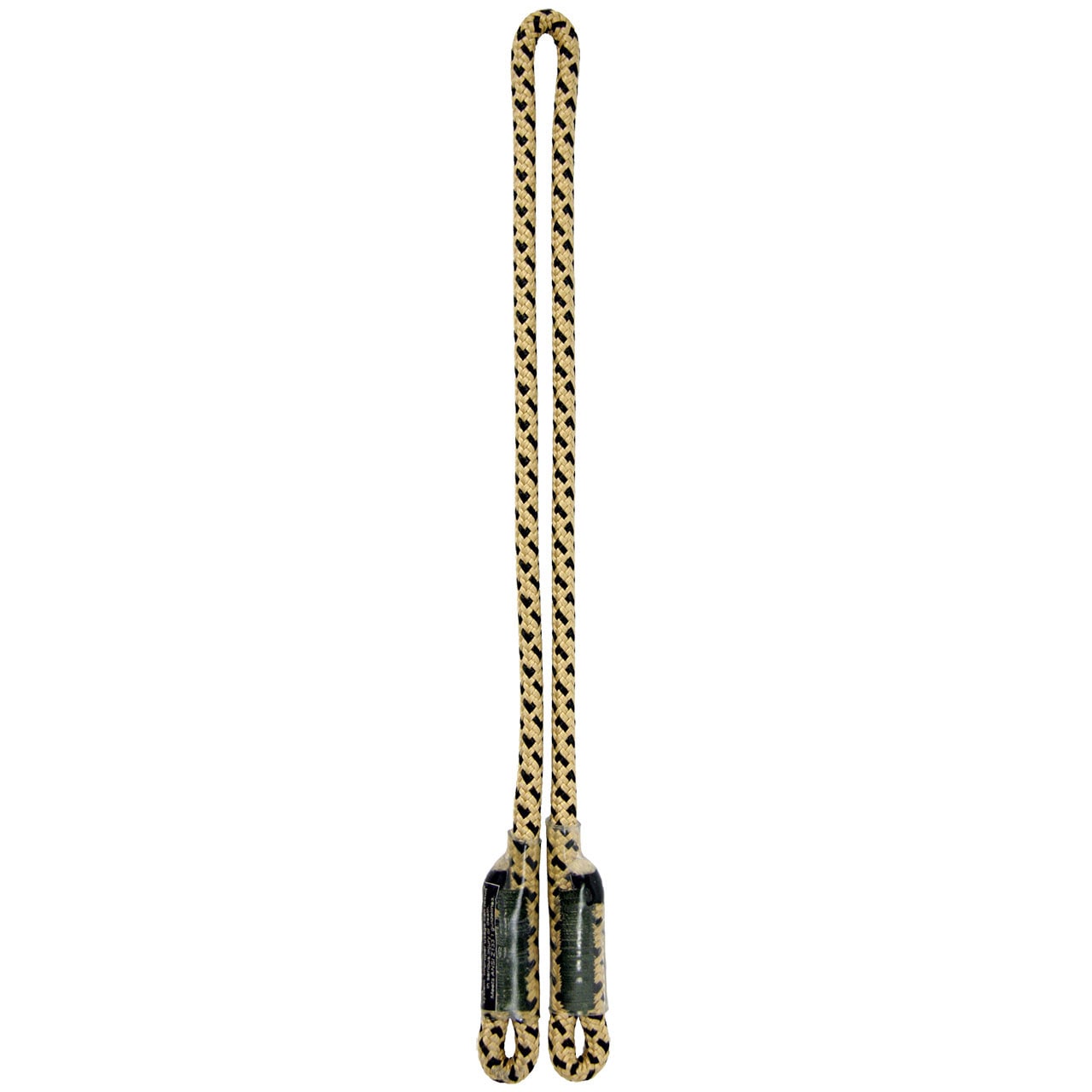
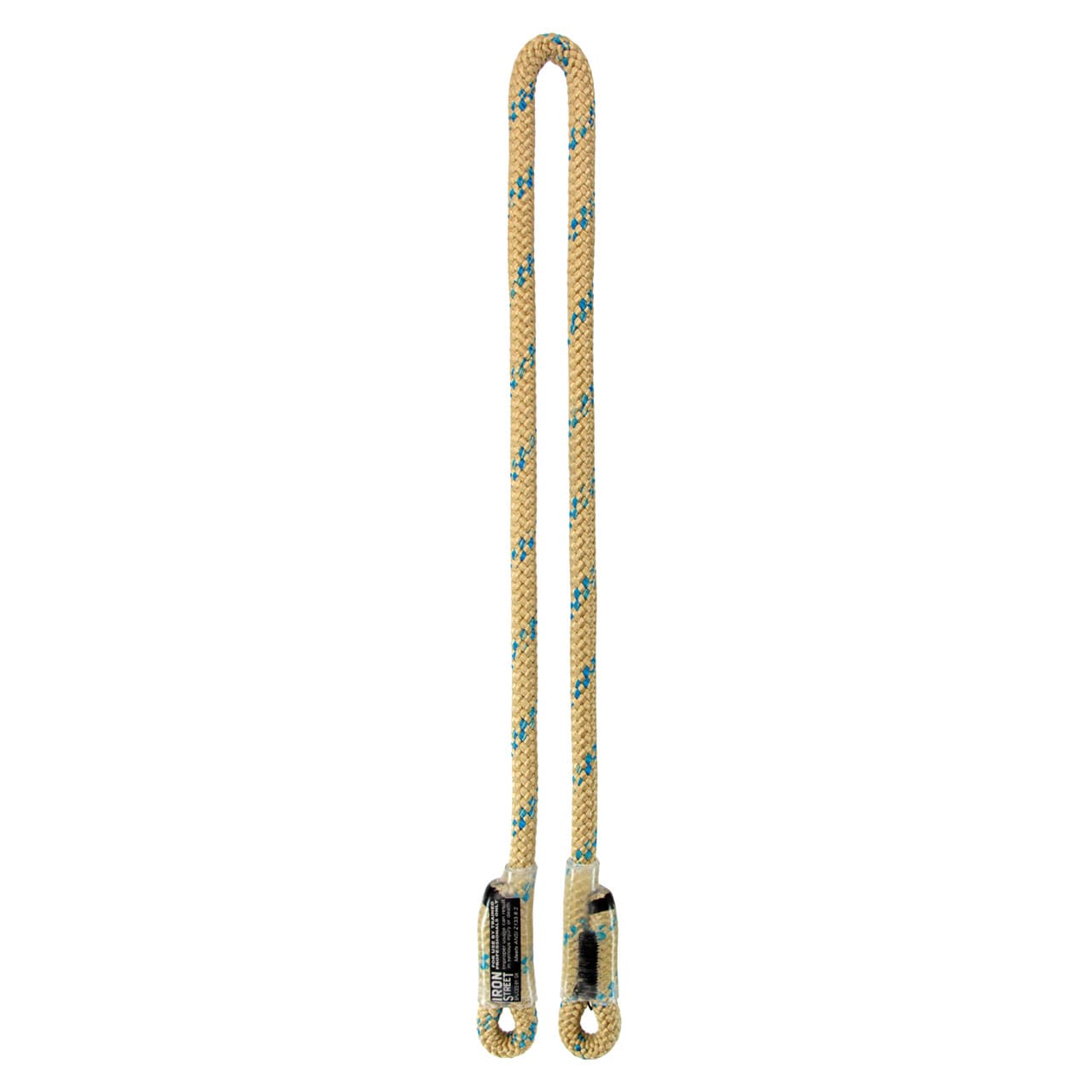
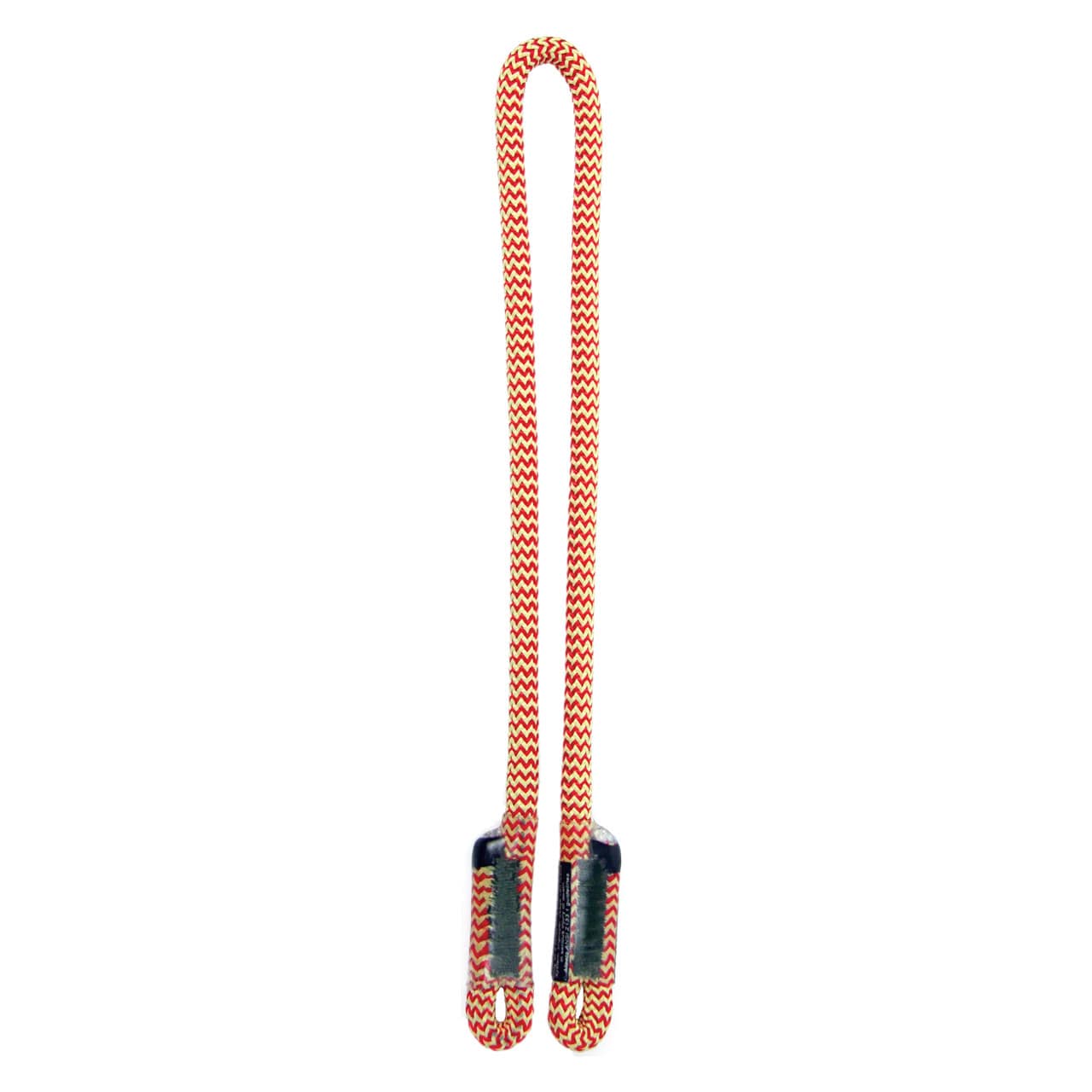
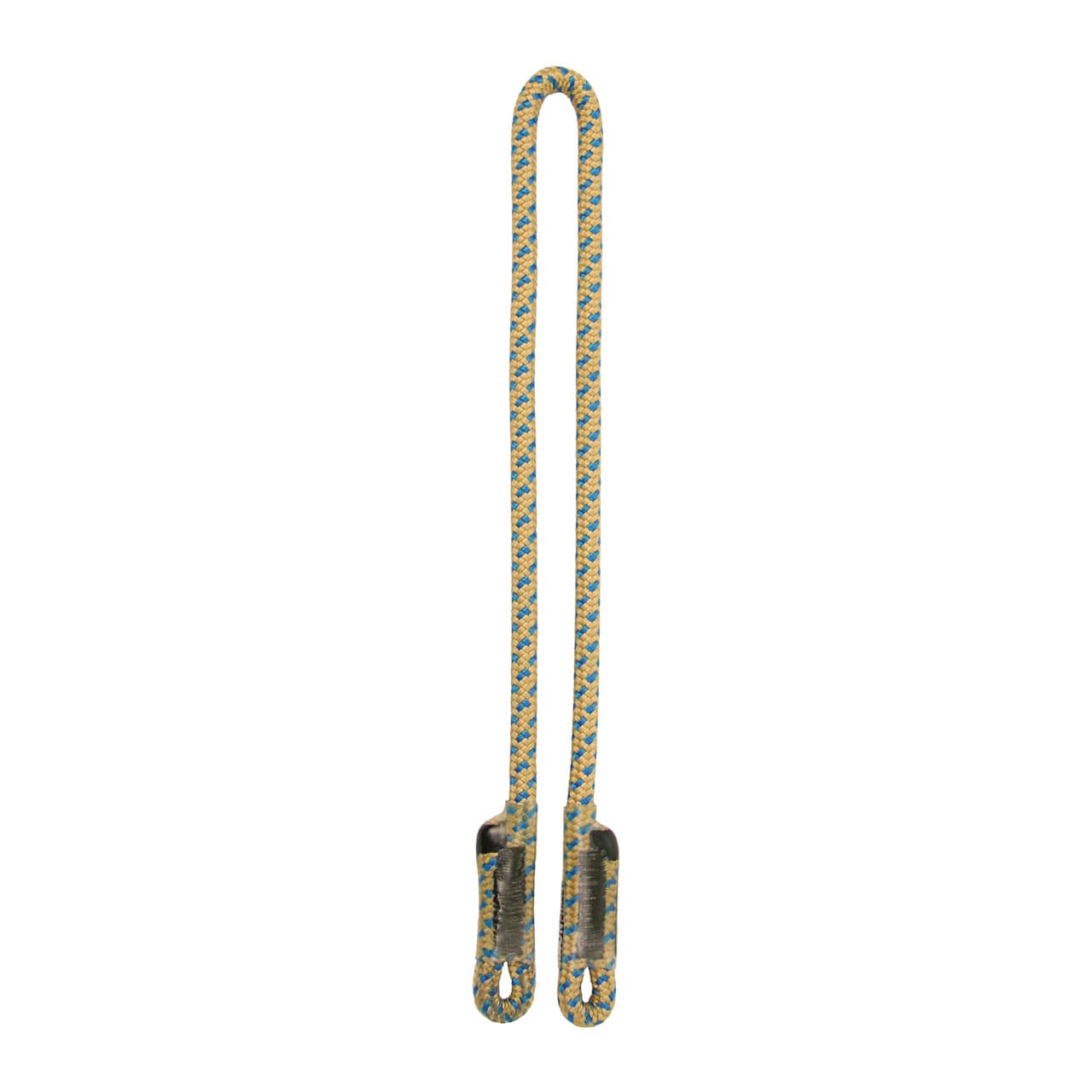
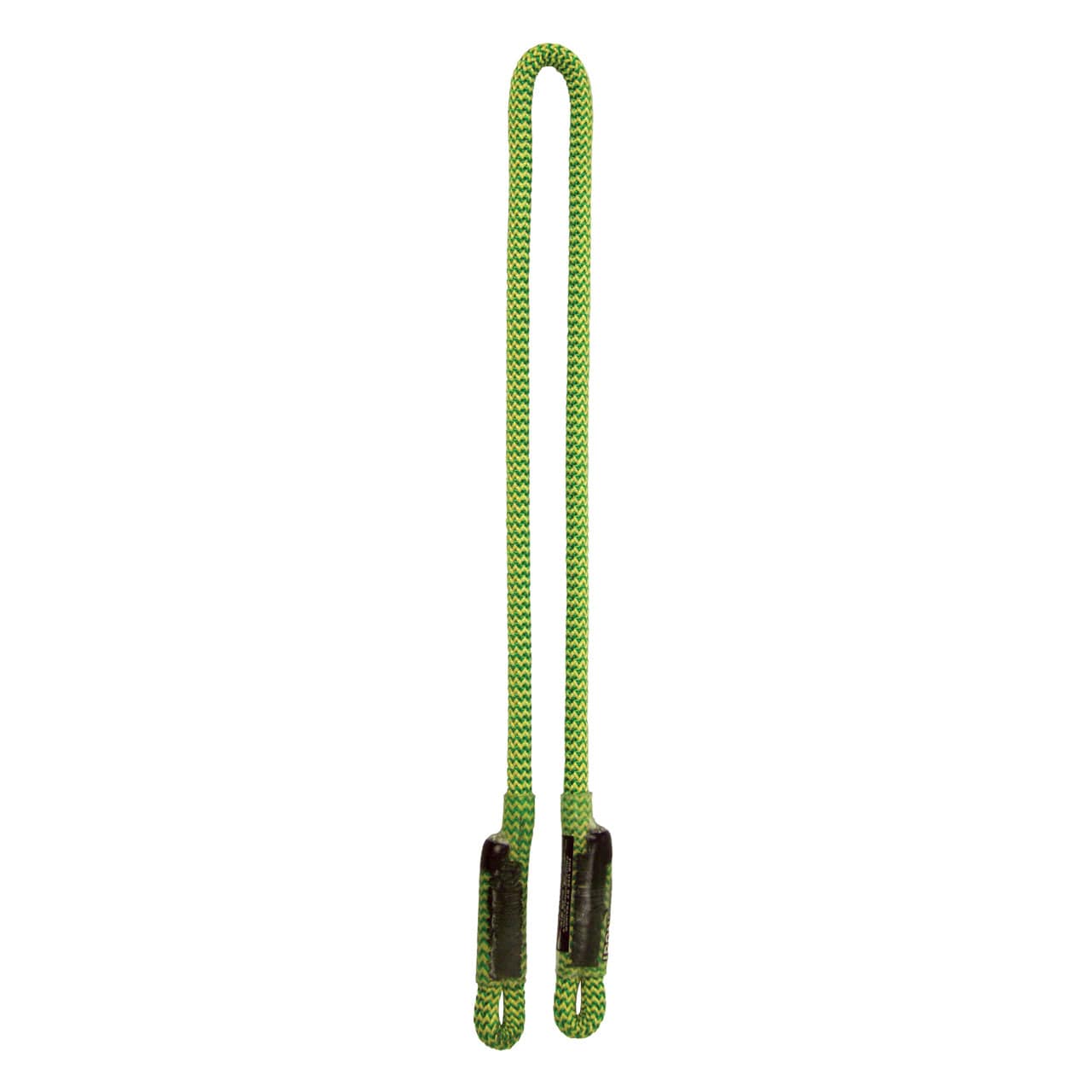
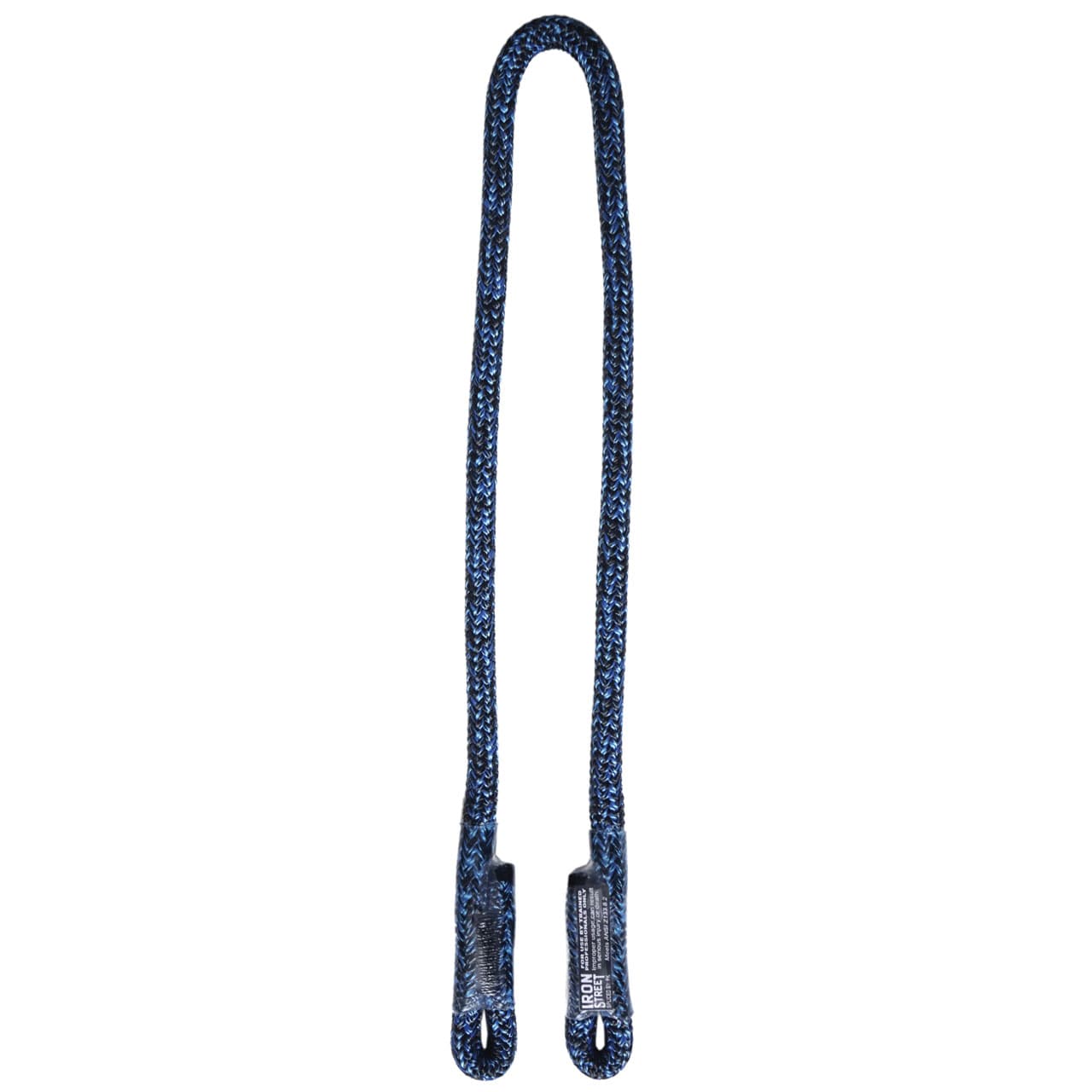
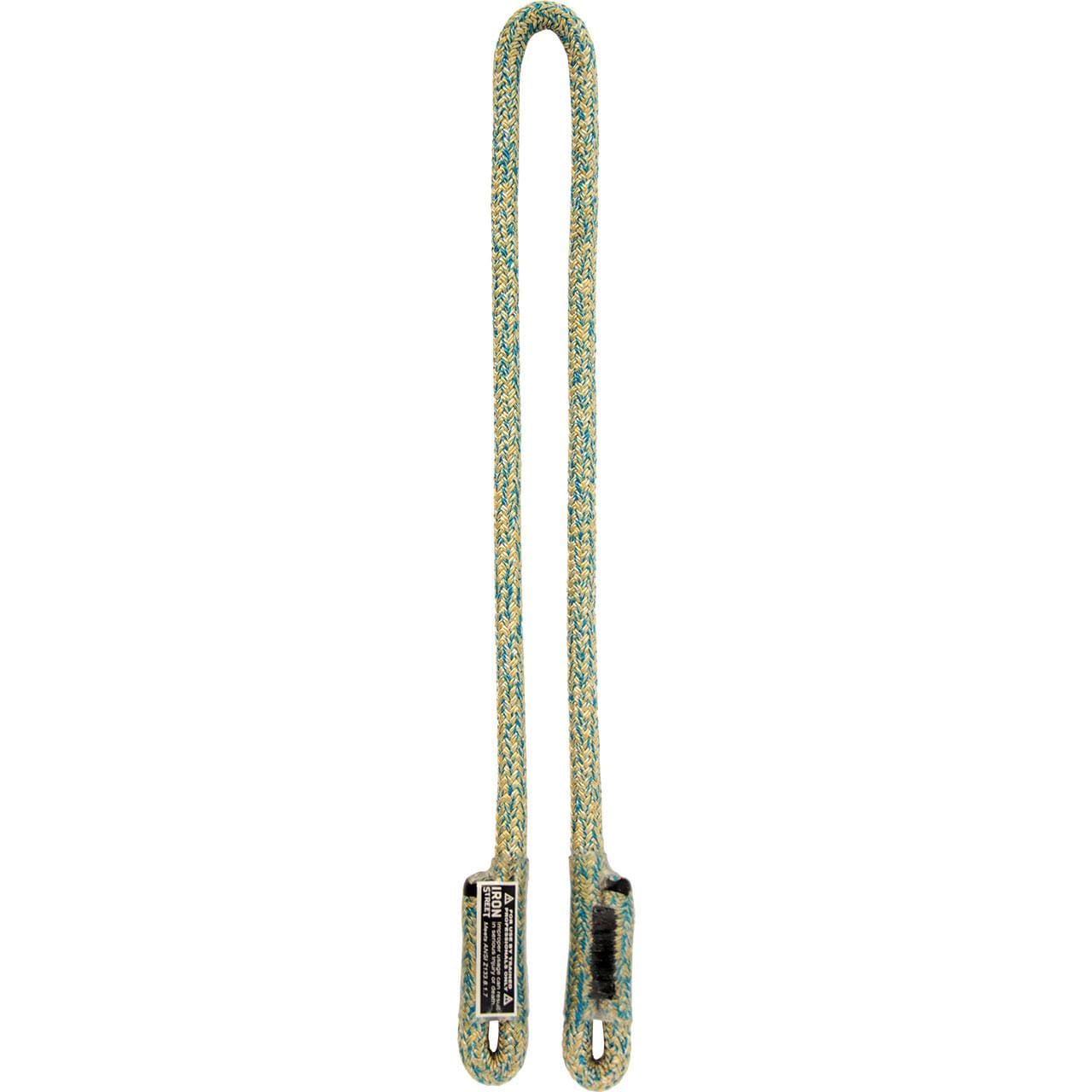
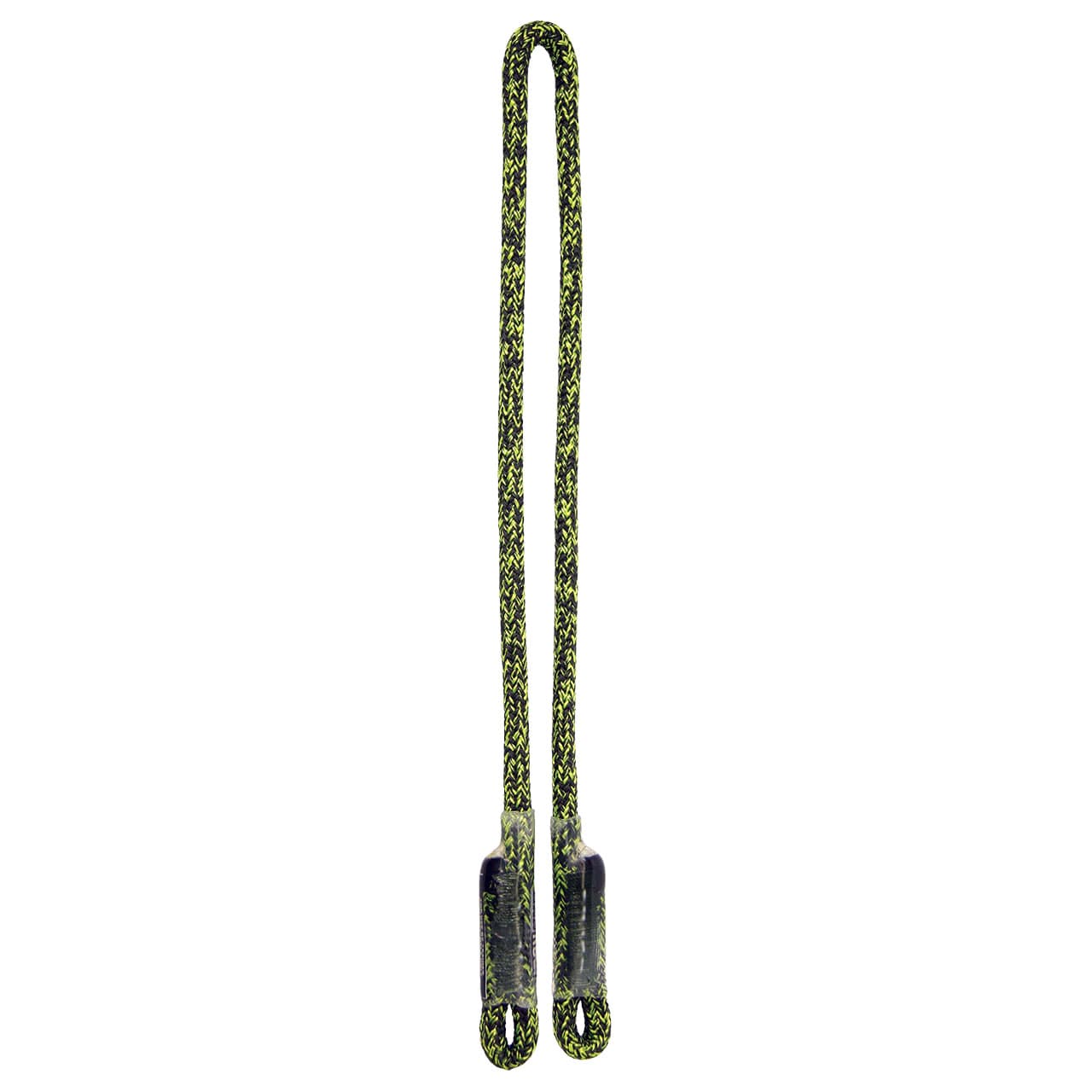
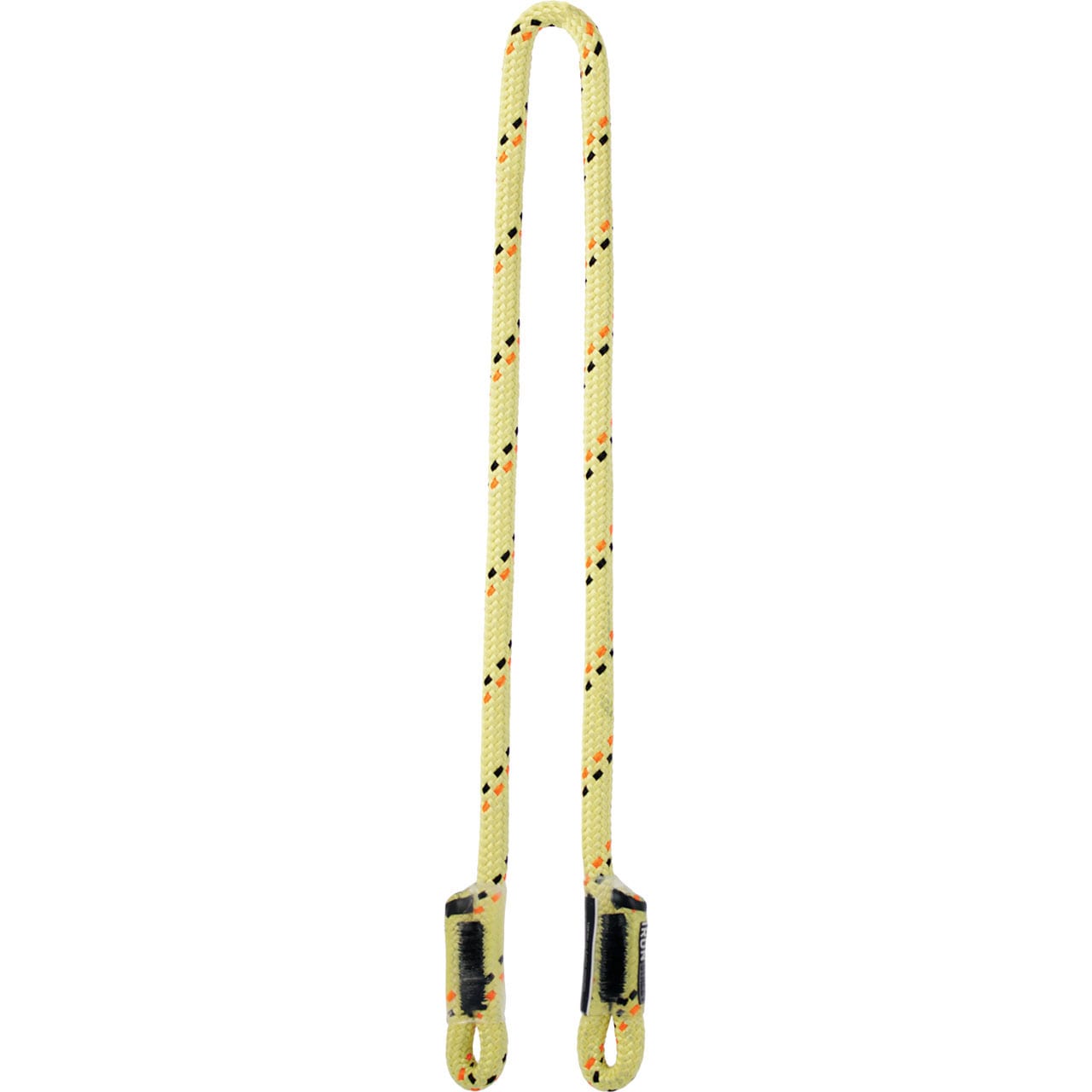
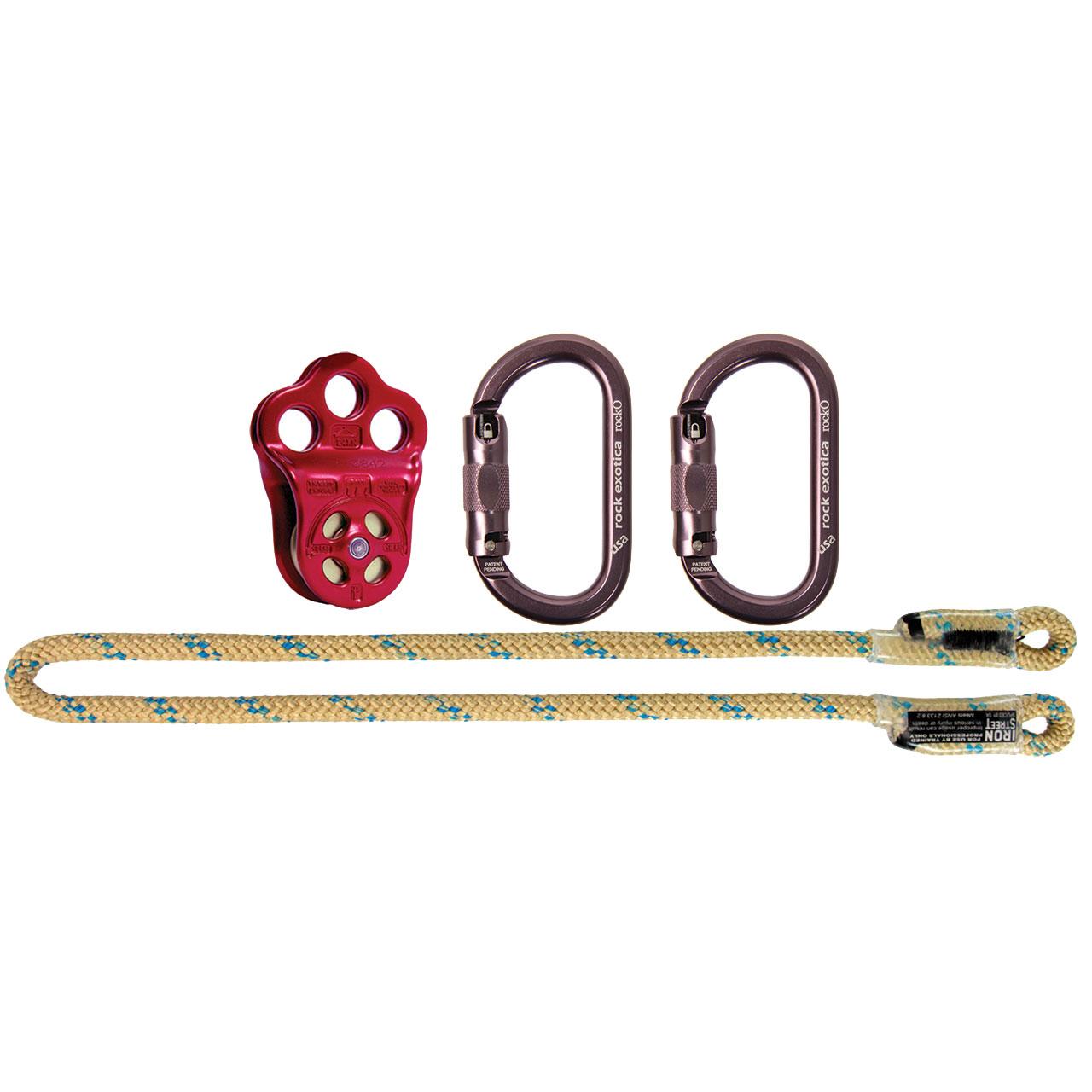
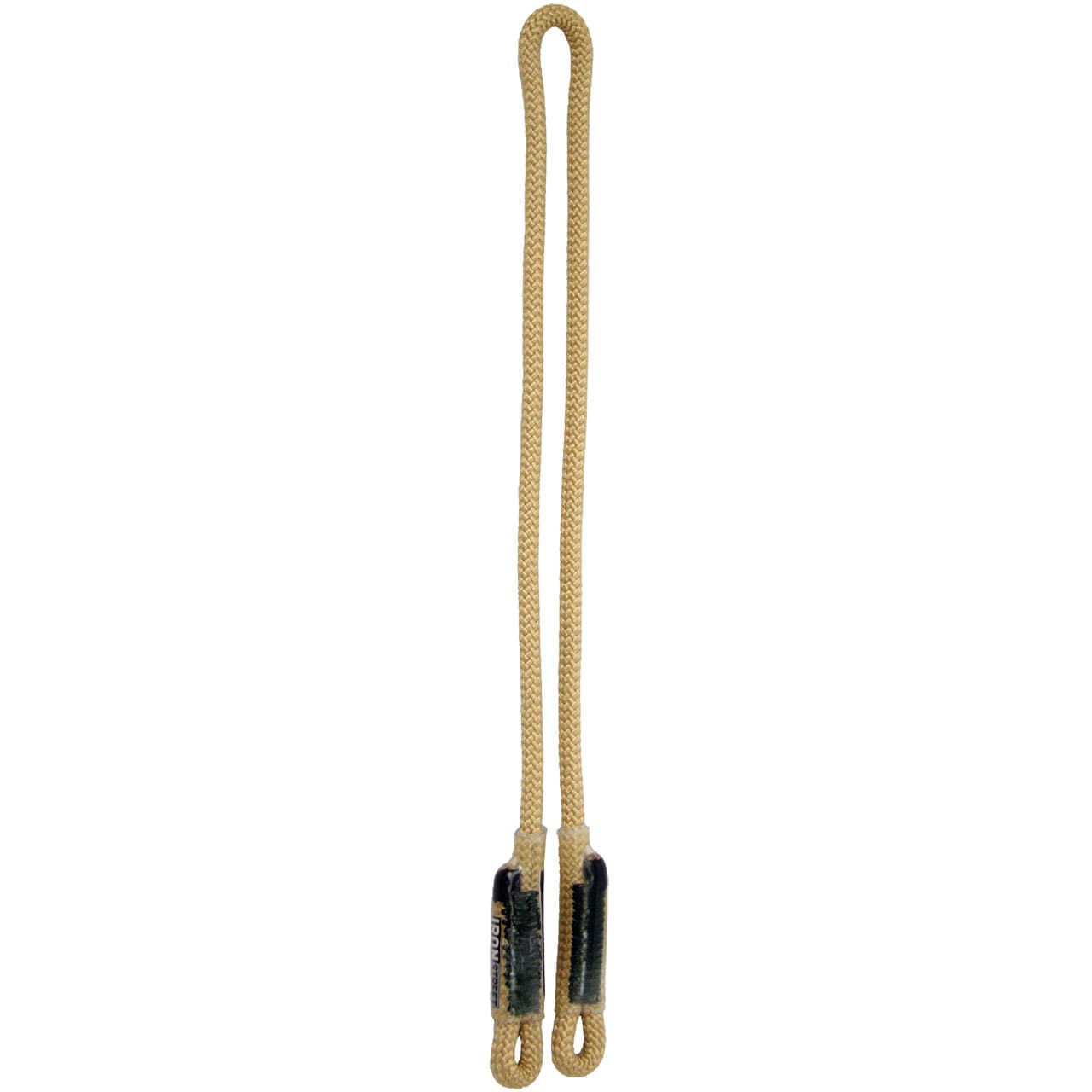
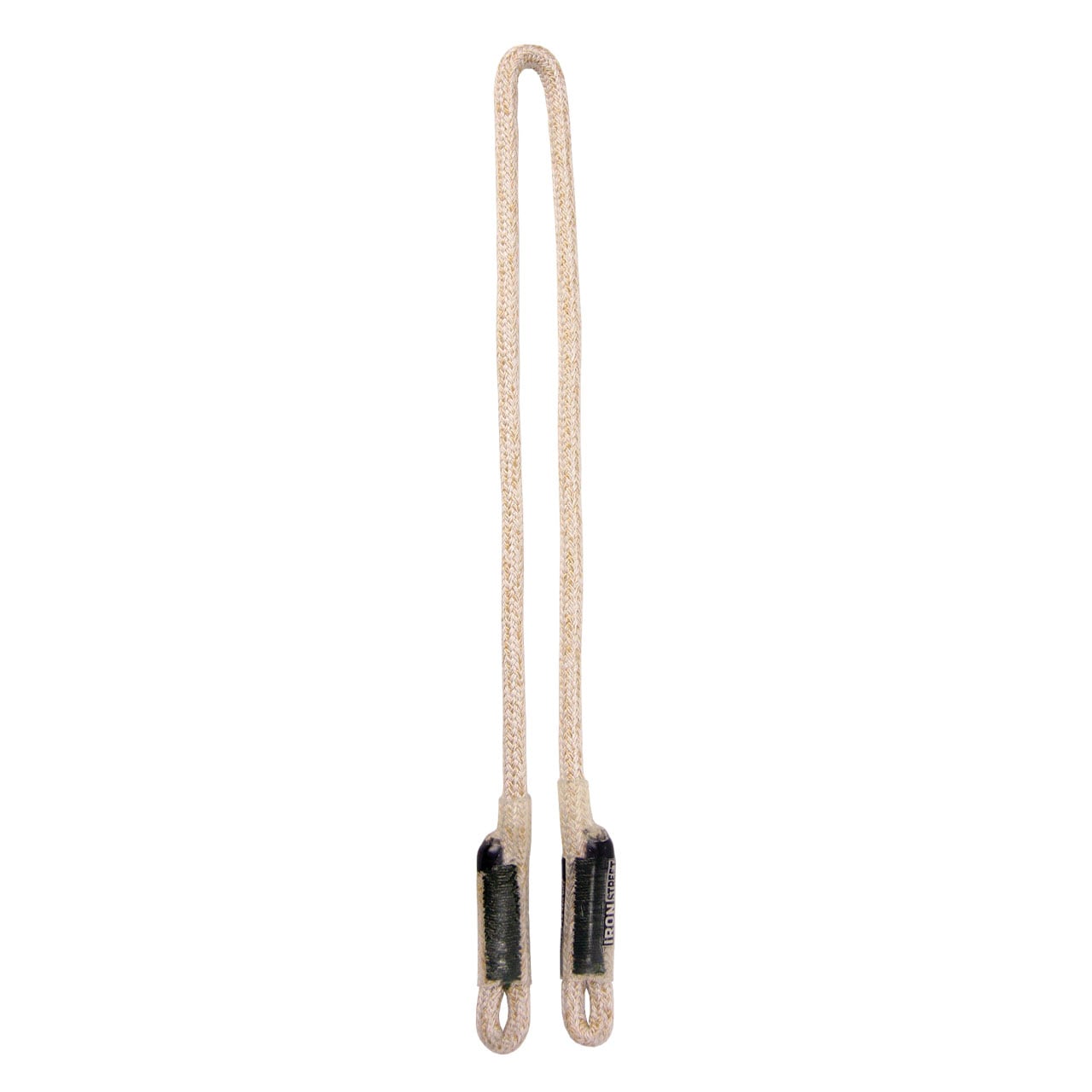
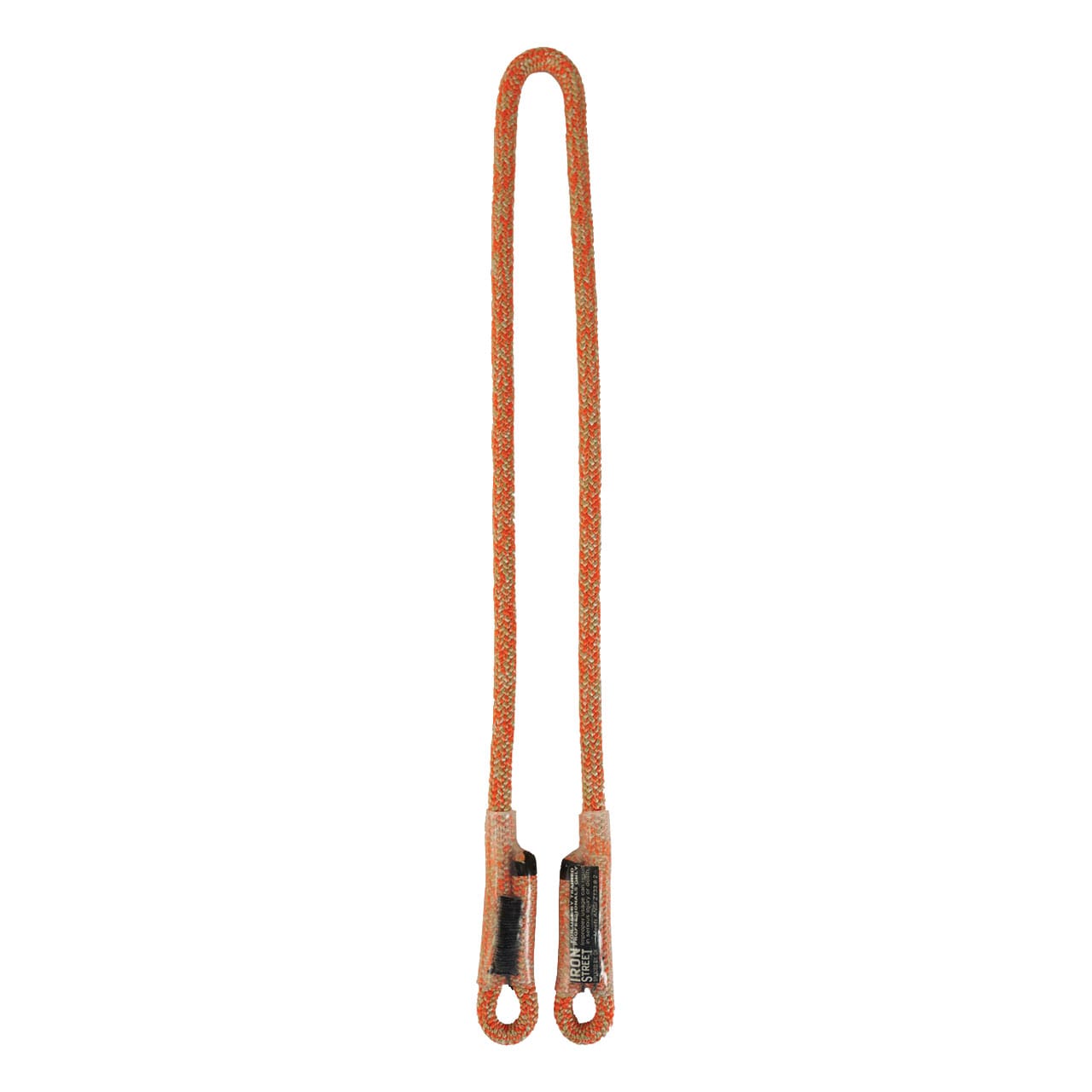
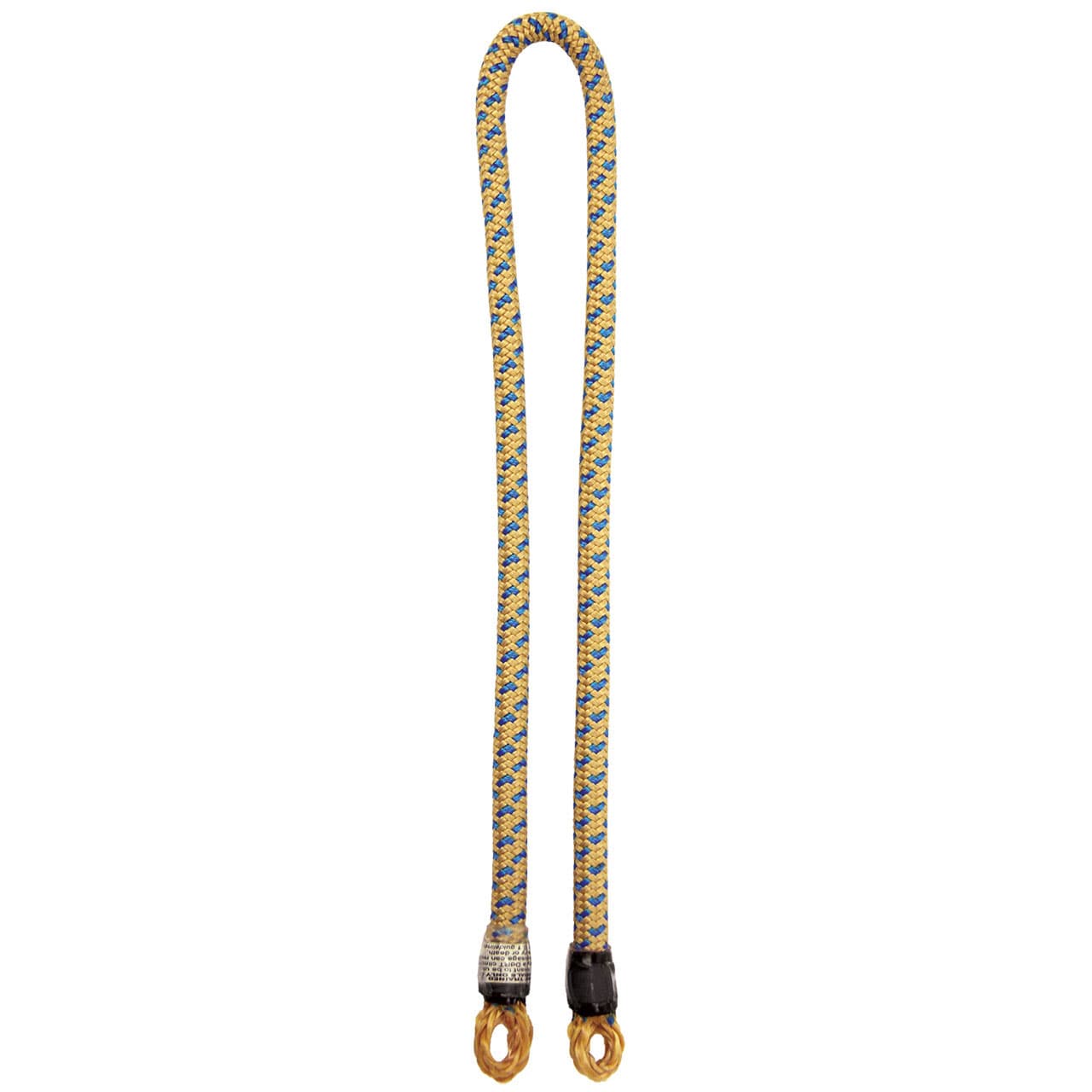
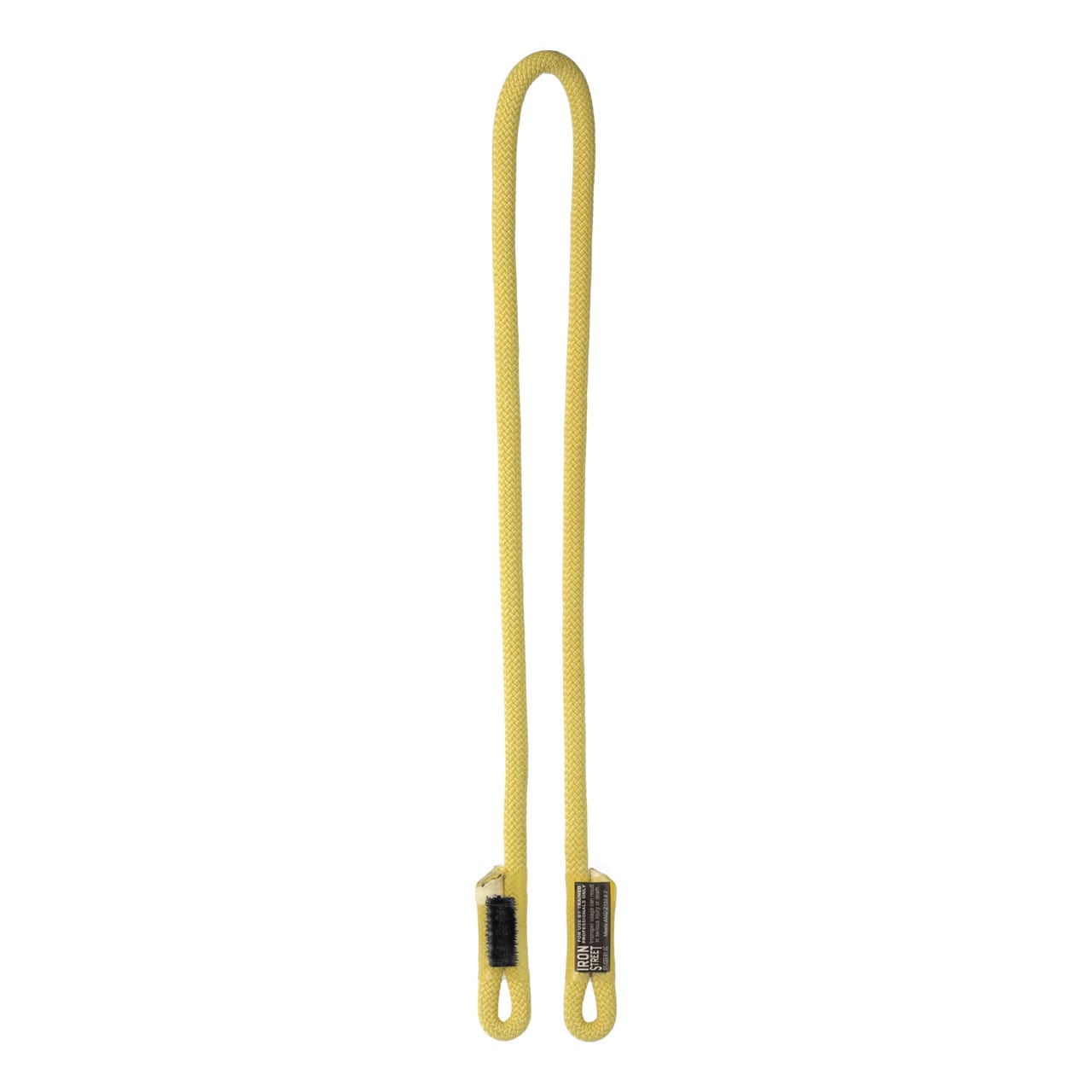
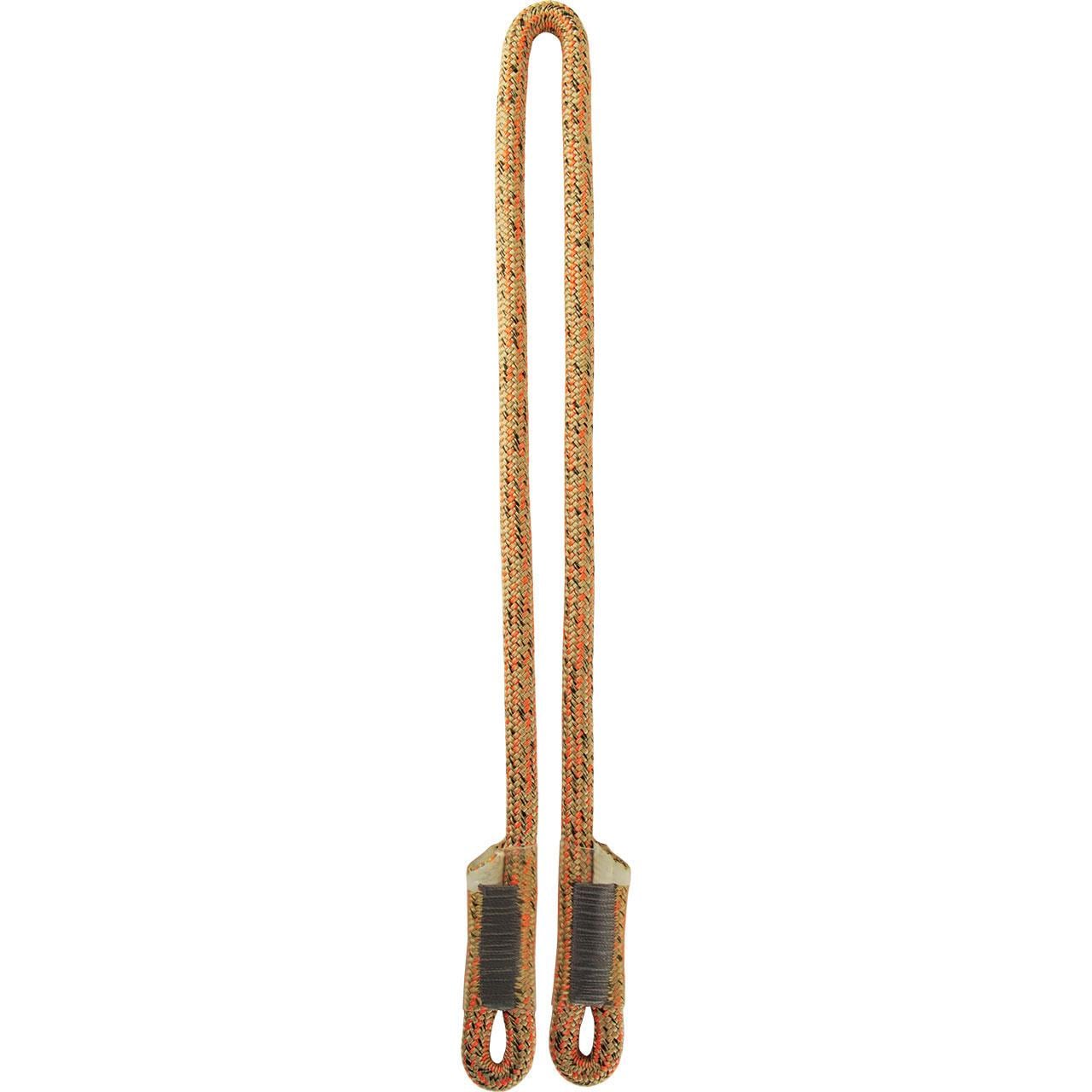
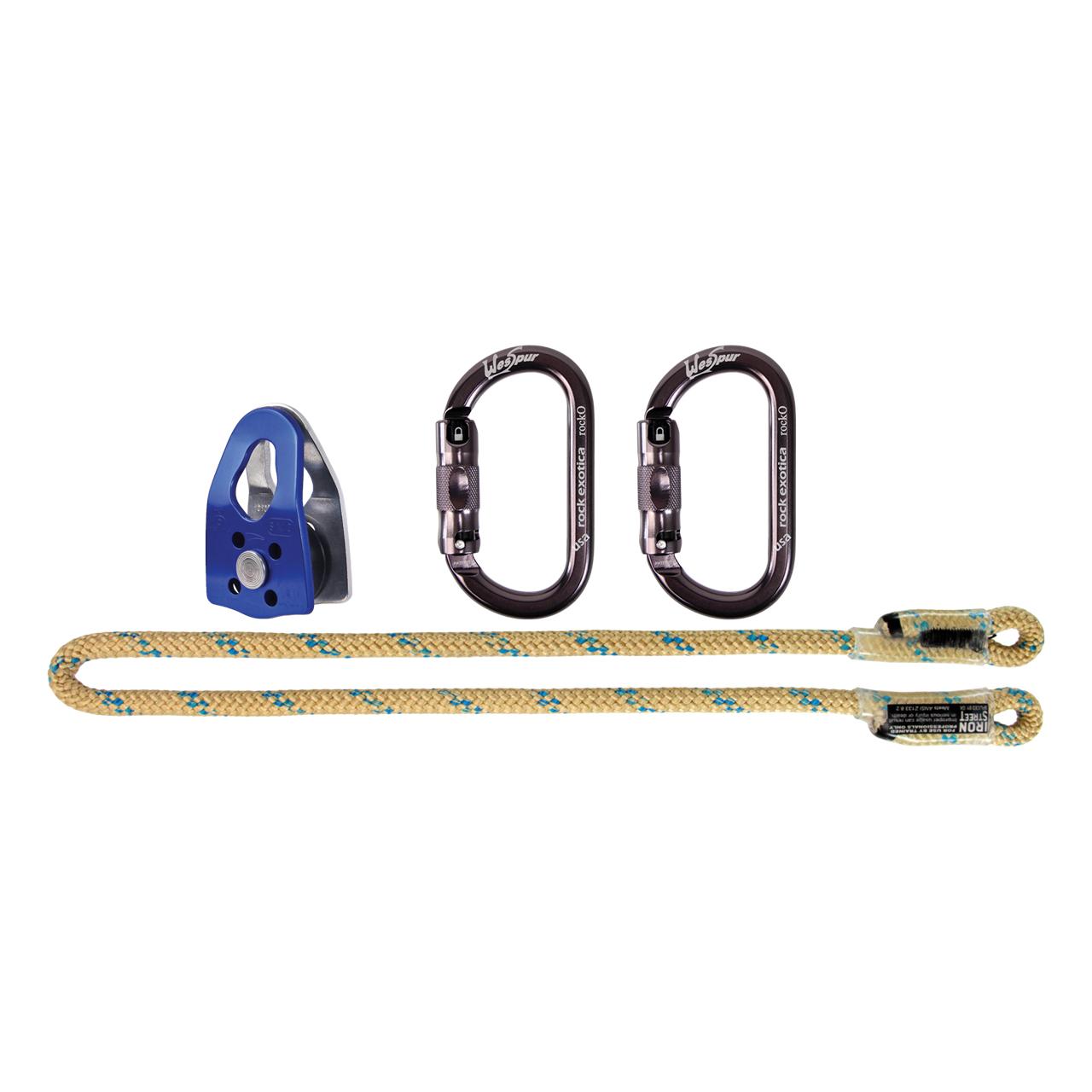
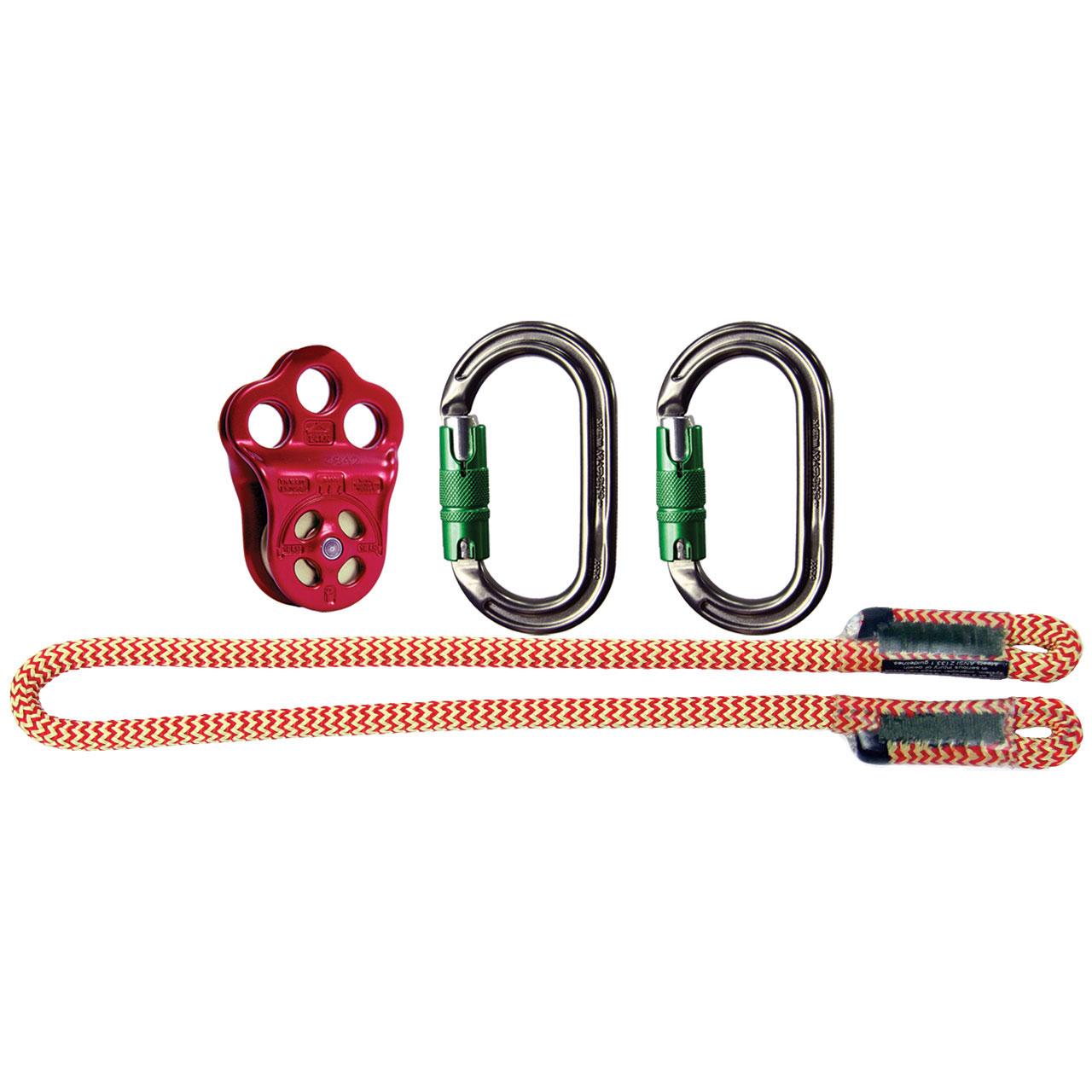
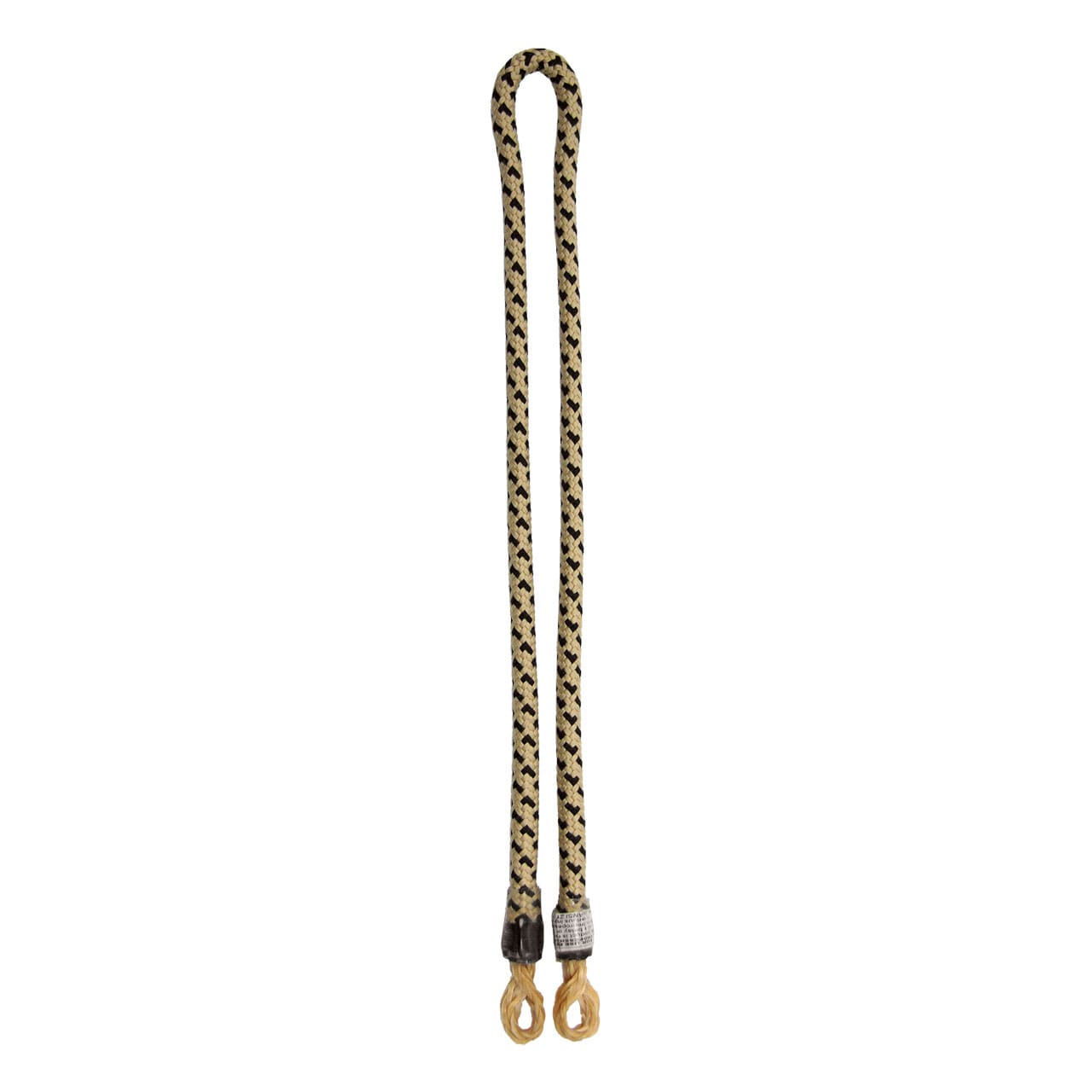
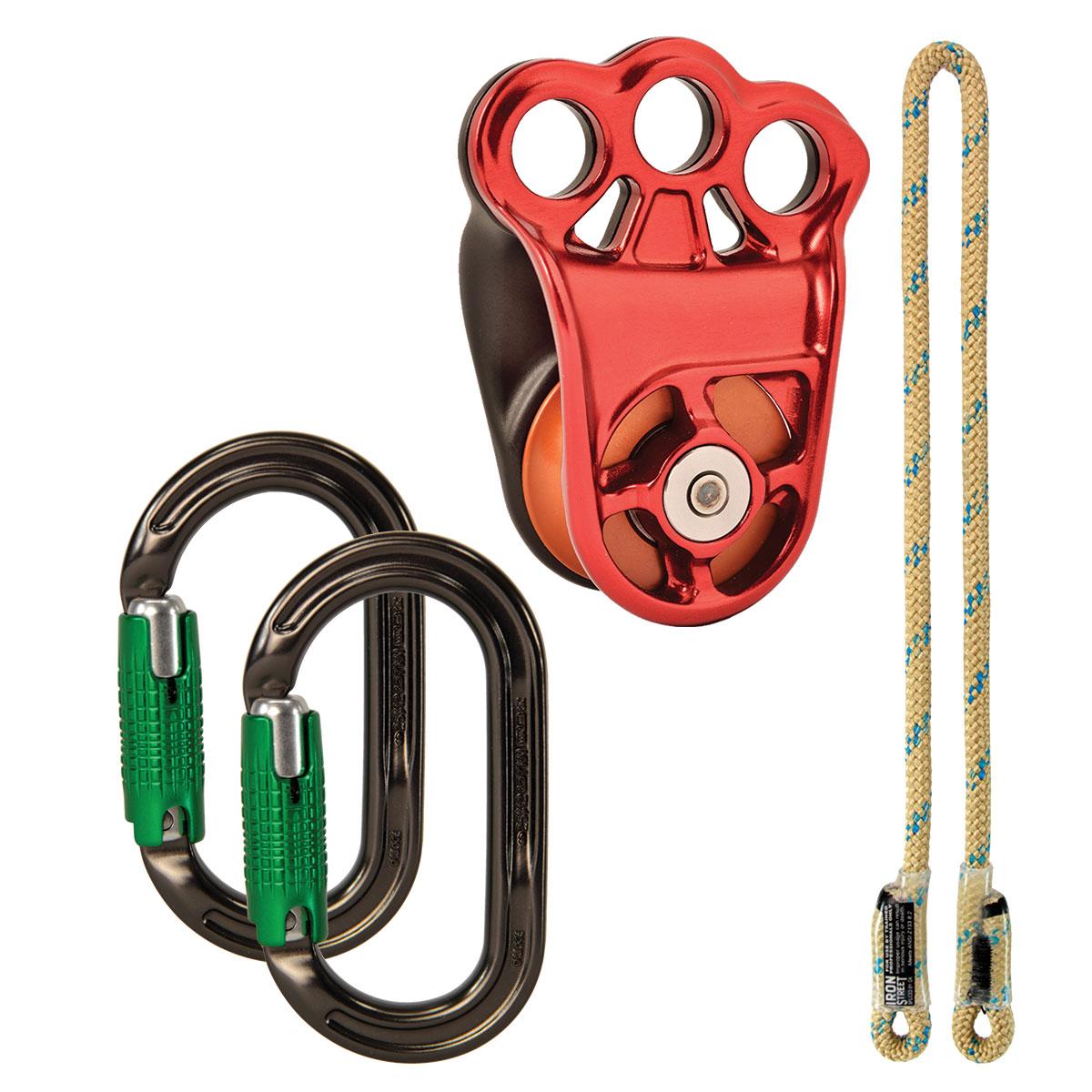
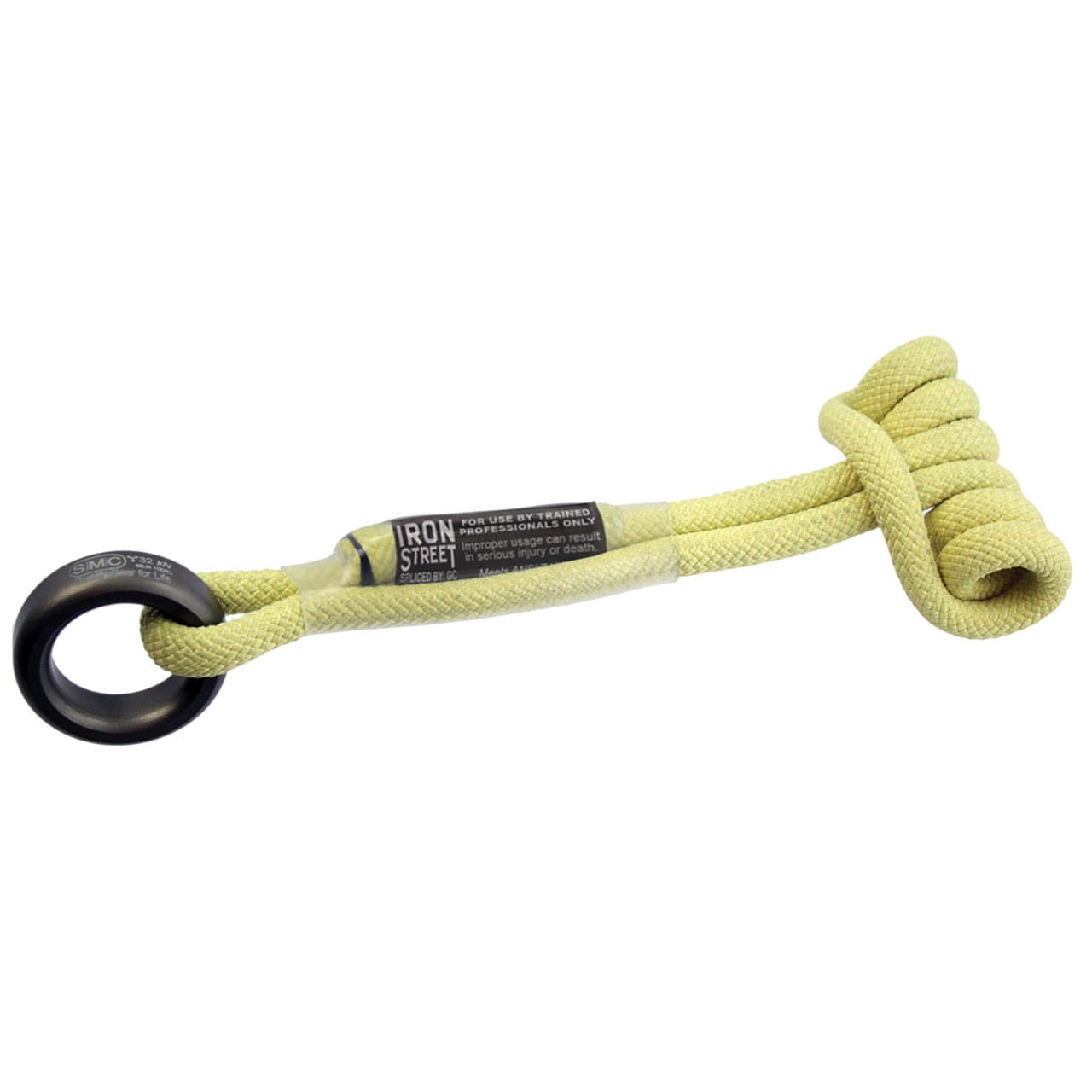
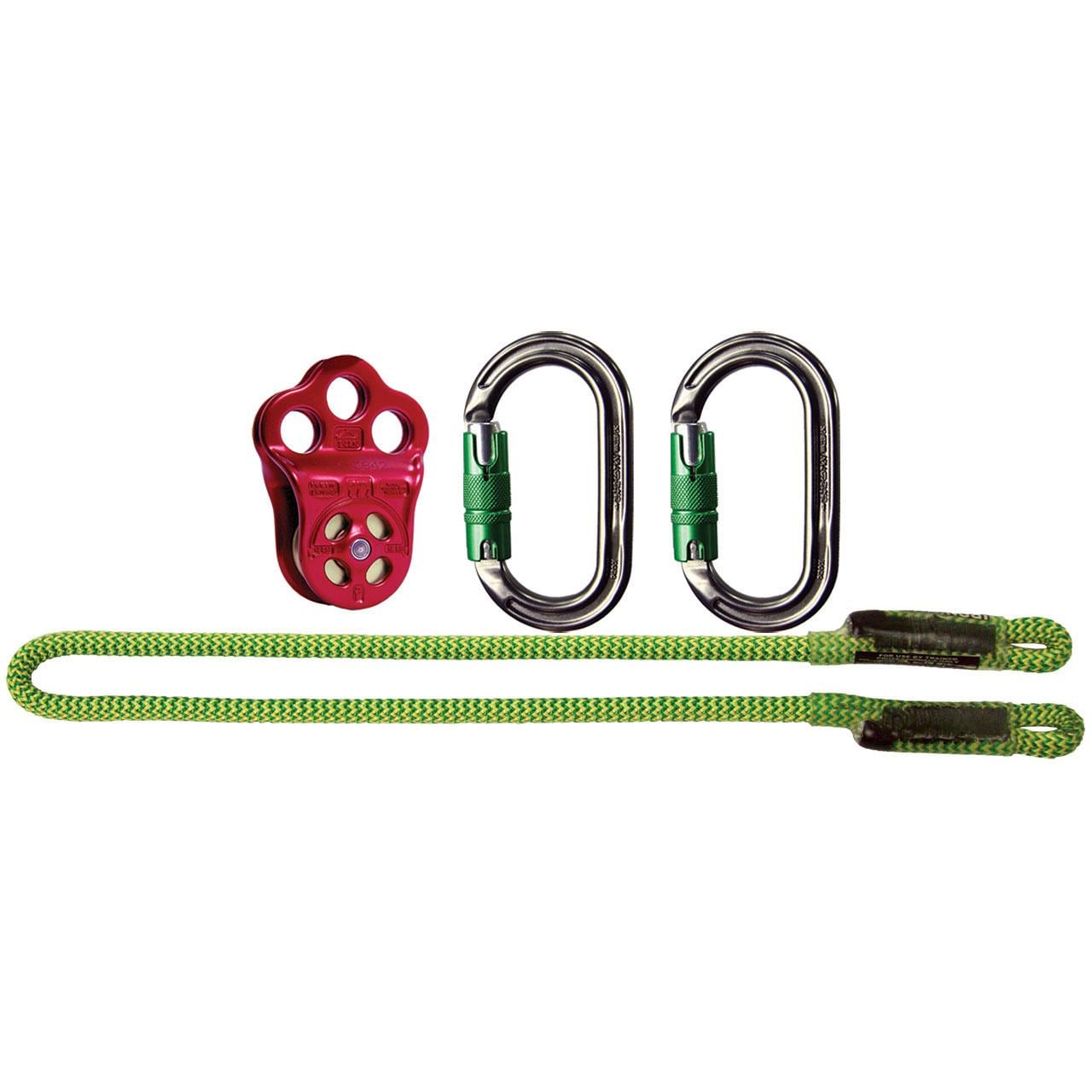
The split tail climbing method refers to a system in which the climbing line is tied to the saddle (preferably indirectly with a carabiner or rope clip) without leaving a tail beyond the termination. The friction hitch (usually either a Tautline or a Blake’s hitch) is then tied back onto the climbing line with another piece of rope called a split tail, which is also connected (preferably indirectly with a carabiner) to the saddle. This knot can be easily advanced up the line by using a micro pulley, swivel snap, and additional carabiner as shown in the system pictured here. Split tail climbing system showing the use of micro pulley to advance the friction hitch.
The split tail method is easier on the climbing line and prevents the climber from having to shorten it periodically as in the fixed tail method. This is because the friction hitch is not tied with the end of the climbing line, but with the split tail instead. In addition, the split tail method is more efficient when ascending on the climbing line. To get around branches protruding through the loop formed by the climbing line and split tail, the climber need only disconnect the climbing line (not the split tail), re-route the climbing line, and then re-connect the climbing line to the saddle. When using a carabiner to attach the climbing line to the saddle, this is made even more efficient by not having to tie or untie any knots.
The split tail method requires significantly more equipment than the fixed tail method and is therefore more expensive. In addition to the climbing line, a split tail and one or two carabiners are also required.
When choosing a saddle for split tail or fixed tail climbing: Pay attention to the number of attachment points for the climbing line. If you want climb with the split tail method, look for saddles that have multiple attachment points (these can be either fixed or floating). This will help to avoid having to connect the climbing line and the split into the same Dee ring, which can get cluttered and become confusing when trying to disconnect the climbing line in order to re-route it around a branch. If you want to climb with the fixed tail method, look for a saddle with a single attachment point (this can be either fixed or floating). Since you will only be using one, you will want to avoid having extra parts on the saddle that are not being used as they will add needless weight and clutter.